

The Illusion of Randomness
The belief that casinos operate solely on randomness is widespread among players who frequent these establishments. Many individuals enter a casino thinking that every outcome—from the spin of a slot machine to the roll of dice—is purely a matter of chance. This perspective, however, overlooks the intricate systems and probabilities that shape the gaming environment, including options such as the nz online casino , which can offer unique gaming experiences. While randomness is undeniably a core aspect of casino games, players should recognize that various factors influence outcomes, revealing a more complex reality beneath the surface.
In many casino games, particularly slots, Random Number Generators (RNGs) are employed to dictate outcomes. These sophisticated algorithms are programmed to generate unpredictable results, creating an illusion of randomness. However, the underlying mechanics are carefully constructed so that the house retains a statistical advantage. For instance, while each spin may feel independent, the programmed payout rates ensure that, over time, the casino profits. Understanding this relationship between RNGs and payout structures is crucial for players who wish to make informed decisions about their gaming strategies.
This leads us to consider the concept of variance in gambling. Variance refers to the degree of fluctuation in outcomes, and it plays a significant role in how players perceive randomness. High variance games can produce long streaks of wins or losses, reinforcing the illusion that luck is a decisive factor. On the other hand, low variance games offer more stable outcomes, often leading players to underestimate the house edge. By grasping the nuances of variance and realizing that randomness is not just a simple game of chance, players can approach their experiences with a clearer understanding of their odds.
The Role of Game Design
The design of casino games is a meticulously crafted process aimed at enhancing player engagement while preserving the integrity of randomness. Game developers utilize psychological principles to keep players immersed, often leading to a distorted perception of the house edge. The sensory elements—such as the sounds of coins, flashing lights, and vibrant colors—are deliberately designed to create an inviting atmosphere that encourages players to spend more time and money. Despite the chaos of seemingly random outcomes, the game mechanics operate within a tightly controlled framework.
Take blackjack as an example. It combines elements of skill and chance, giving players the impression that they have some control over their outcomes. Choices such as hitting or standing create a dynamic experience, yet the statistical realities underpinning these decisions can be complex and often misunderstood. Players may feel empowered by their strategic choices, but the reality is that the odds are consistently aligned in the casino’s favor. This disconnect between perceived control and actual probabilities can contribute to the illusion of randomness prevalent in many games.
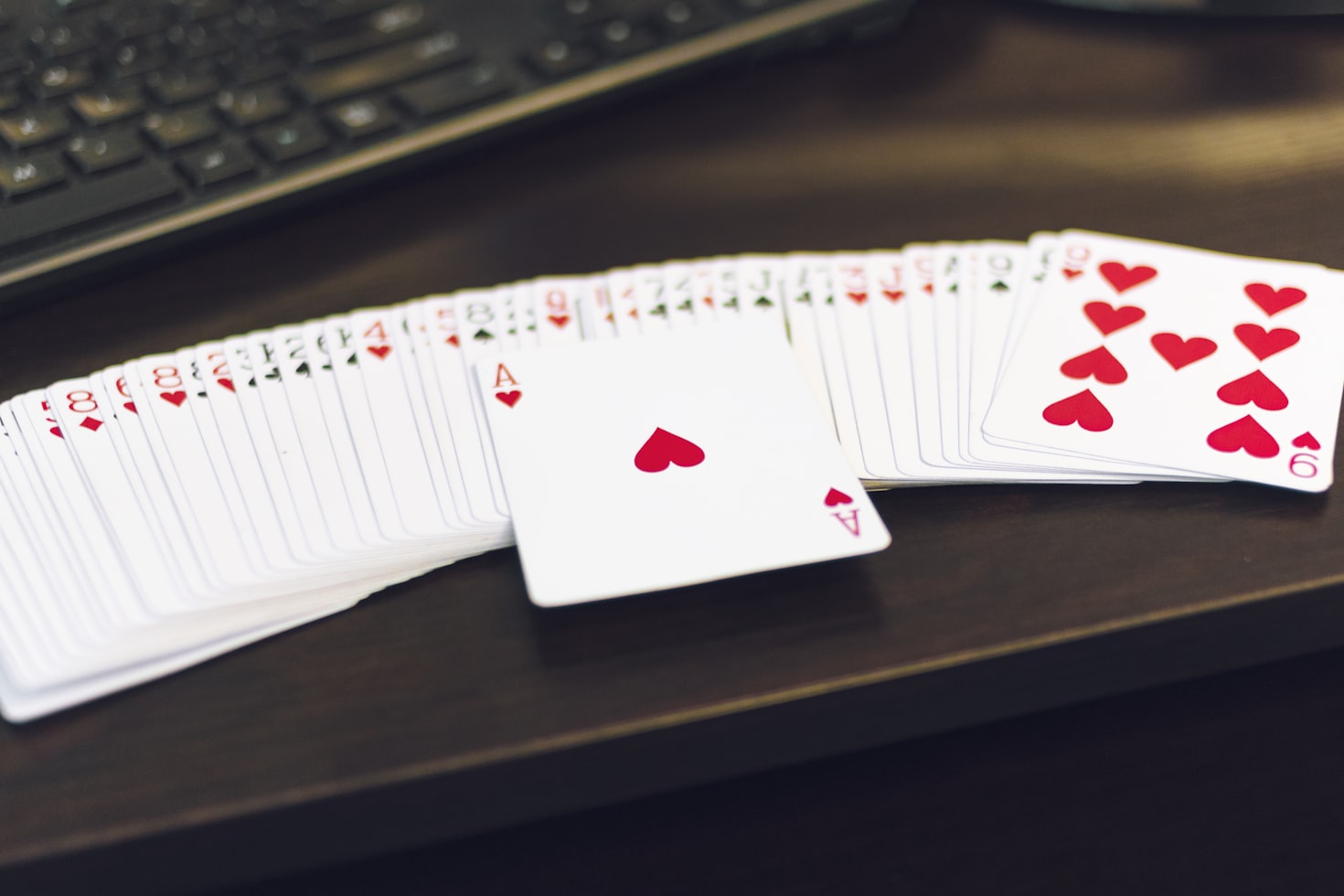
Moreover, the manipulation of reward structures significantly impacts how players perceive their chances. Casinos often adjust the frequency and size of payouts to create a sense of excitement that keeps players engaged. For instance, the lure of progressive jackpots can overshadow the actual odds of winning, leading players to believe they are on the verge of a big win. By understanding how game design impacts player perception, individuals can navigate the often misleading landscape of randomness and make more informed choices during their gaming experiences.
Probability and the House Edge
The concept of the house edge is integral to understanding casino gaming. This term refers to the built-in advantage that the casino has over players, ensuring profitability over time. Every game is designed with specific probabilities that ultimately shape the gambling experience. For example, in games like roulette, the presence of a single zero or double zero significantly increases the house edge, making it crucial for players to grasp how these factors affect their chances of winning.
Many players fall into the trap of believing they can negate the house edge through betting systems or by relying on ‘hot’ or ‘cold’ numbers. Such misconceptions often arise from a lack of understanding of probability and the independent nature of each game outcome. The gambler’s fallacy, which erroneously suggests that past events influence future results, can lead players to make irrational decisions. Recognizing the mathematical foundations of these games allows players to approach their strategies with a more realistic perspective.
Additionally, research has shown that the longer players engage in gambling, the more likely they are to experience losses attributable to the house edge. While short-term wins are possible, the statistical reality is that extended play typically favors the casino. This acknowledgment does not imply that players cannot win at all; rather, it underscores the importance of understanding the mechanics of probability and the inherent risks involved. Armed with this knowledge, players can gamble responsibly, making informed choices about their gaming experiences.
Cognitive Bias and Player Perception
Cognitive biases significantly shape how players perceive randomness in casinos. Emotional responses often cloud judgment, leading to misconceptions about outcomes and strategies. One prevalent bias is the illusion of control, where players believe their actions can influence results. This is particularly evident in games such as Craps, where players feel that their throws can affect the outcome, despite the random nature of dice rolls. Such beliefs can distort a player’s understanding of the game, causing them to misinterpret their chances.
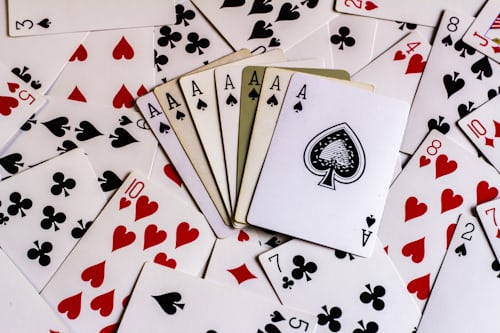
Another common cognitive bias is the availability heuristic, wherein players base their betting decisions on recent experiences rather than statistical realities. For instance, if a player recently won a substantial amount on a slot machine, they may be tempted to play again, expecting similar results. This reliance on emotional memory can lead to erratic betting patterns, potentially increasing the risk of losses. Players who recognize these biases can take steps to mitigate their impact and make more rational decisions while gambling.
Moreover, nostalgia for past successes can further skew a player’s perception, as they tend to remember victories more vividly than defeats. This selective memory reinforces the belief in personal luck and randomness. Such biases can lead to increased gambling behavior, as players chase the thrill of past wins. By acknowledging these cognitive influences, players can gain a better understanding of their actions within the casino environment and cultivate healthier gambling habits that prioritize informed decision-making over emotional responses.
Understanding Your Casino Experience
Gaining insight into the nature of randomness in casinos is essential for enhancing one’s overall gaming experience. Familiarity with game rules and an understanding of the underlying probabilities can significantly improve enjoyment while minimizing potential losses. By learning about the odds associated with various games, players can develop strategies that align with their comfort levels and financial capabilities. This knowledge empowers individuals to appreciate the entertainment aspect of casinos without losing sight of the inherent risks involved.
Additionally, setting personal limits for time and money can reinforce responsible gambling practices. Many casinos provide resources for self-exclusion and budgeting, which can help players manage their gambling behavior effectively. Taking advantage of these tools can create a healthier relationship with gaming, allowing individuals to engage in a balanced manner. By recognizing the complexities of randomness and implementing responsible strategies, players can enjoy the thrill of gaming while safeguarding against excessive losses.
In conclusion, while casinos may appear random to the casual observer, a deeper examination reveals a complex interplay of probabilities, cognitive biases, and game design elements that contribute to the overall experience. Equipped with this understanding, players can approach casino gaming with a more informed mindset, striking a balance between enjoyment and responsible gambling. This awareness not only enhances the individual gaming experience but also promotes a culture of mindful gambling practices.
