

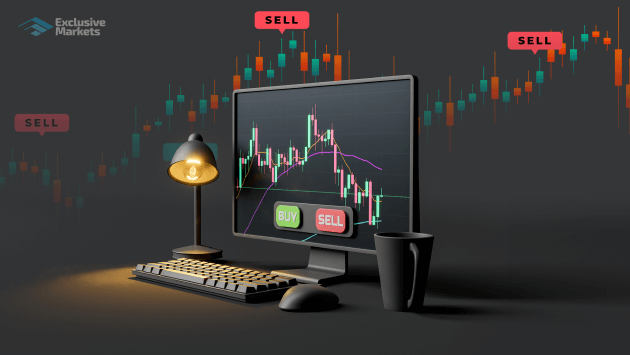
Mastering Forex Trading with Demo Accounts: A Comprehensive Guide
Forex trading has gained immense popularity over the years, offering opportunities for traders to profit from currency fluctuations globally. One of the most effective ways to learn Forex trading is through a demo account, which allows you to practice trading without any financial risk. In this article, we will explore what Forex demo accounts are, their significance, and how you can leverage them to master the art of trading. For additional resources and insights, visit forex trading demo brokerdirect.org.
What is a Forex Trading Demo Account?
A Forex trading demo account simulates real trading conditions without the need to invest real money. It provides prospective traders with a platform to practice their trading strategies, familiarize themselves with trading platforms, and gain experience without losing capital. Demo accounts typically offer virtual currency, allowing users to trade as if they were using real funds, which can be an invaluable learning tool for new traders.
Why Use a Forex Demo Account?
There are several advantages to using a Forex demo account:
- Risk-Free Learning: With no actual money on the line, traders can experiment with different strategies and techniques without the fear of losing capital.
- Understanding Market Dynamics: Demo accounts enable traders to observe how the Forex market operates, including price movements, market trends, and the impact of news events.
- Platform Familiarization: Every trading platform has its unique features. A demo account allows traders to familiarize themselves with the specific tools offered by their chosen broker.
- Testing Trading Strategies: Whether you are a day trader, swing trader, or long-term investor, you can test your trading strategies in real market conditions without financial risk.
- Building Confidence: As traders practice and refine their skills on a demo account, they build the confidence necessary for live trading.
How to Get Started with a Forex Demo Account
Starting with a Forex demo account is quite simple. Here’s a step-by-step guide:
- Choose a Reputable Broker: Research and select a Forex broker that offers a robust demo account. Look for those that provide a user-friendly trading platform, good customer support, and educational resources.
- Sign Up for a Demo Account: Most brokers offer a straightforward registration process for demo accounts. Fill in the required information, and you will receive login credentials to access the demo account.
- Download the Trading Platform: Many brokers offer their trading platforms for download. Install the platform on your computer or mobile device and log in using your demo account credentials.
- Begin Trading: Start exploring the platform. You can place trades, analyze currency pairs, and use various tools to enhance your trading experience.
- Develop a Trading Plan: Even in a demo environment, it’s essential to develop a trading plan. Outline your goals, risk tolerance, and overall trading strategy.

What to Focus on When Using a Forex Demo Account
While using a demo account, here are several key areas to focus on:
- Technical Analysis: Learn to read charts, identify trends, and apply technical indicators. Familiarize yourself with support and resistance levels, moving averages, and various chart patterns.
- Fundamental Analysis: Understand how economic indicators, news releases, and geopolitical events affect currency prices. This knowledge will help you make informed trading decisions.
- Risk Management: Practice managing your risk effectively. Determine how much of your virtual capital you are willing to risk on each trade and stick to your limits.
- Emotional Control: Develop your emotional discipline while trading. Learn to stay calm under pressure, avoid impulsive decisions, and stick to your trading plan.
- Strategy Testing: Utilize the demo account to test various trading strategies. Record your results and analyze what works effectively for you.
Common Mistakes to Avoid When Using a Forex Demo Account
While demo accounts are beneficial, many traders make common mistakes that can hinder their learning process. Here are some pitfalls to avoid:
- Treating Demo Trading Lightly: Some traders believe that because they are not using real money, they can be careless. Treat your demo account as if it were a real account to instill the right habits.
- Overtrading: Creating a false sense of security can lead to overtrading. Set realistic goals and manage your trades appropriately.
- Lack of Patience: Forex trading often requires time to develop profitable strategies. Avoid rushing into trades without proper analysis.
- Ignoring Risk Management: Failing to implement risk management can lead to inconsistent results even in a demo environment. Always have a risk management plan in place.
- Skipping Education: Relying solely on demo trading without educating yourself on Forex principles can limit your growth. Invest time in learning through courses, books, and webinars.
Transitioning from Demo to Live Trading
Once you feel confident in your trading abilities through a demo account, it’s time to consider transitioning to live trading. Here are some tips for making that transition smoothly:
- Start Small: When you begin live trading, start with a small amount of capital that you are willing to risk. This will allow you to get used to the emotional and psychological aspects of trading with real money.
- Stick to Your Trading Plan: Continue to follow your established trading plan from your demo experience. Consistency is key to successful trading.
- Monitor Your Emotions: Understand that trading with real money can evoke different emotions than trading on a demo account. Be prepared for the emotional rollercoaster.
- Review Your Performance: Continuously evaluate your trading results, identify areas for improvement, and adjust your strategies accordingly.
Conclusion
A Forex trading demo account is an essential tool for developing the skills and confidence needed for successful trading. By utilizing a demo account, you can gain practical experience, test strategies, and learn the ins and outs of the Forex market without risking real money. Remember to treat your demo trading seriously, avoid common pitfalls, and approach the transition to live trading with care. Happy trading!
